
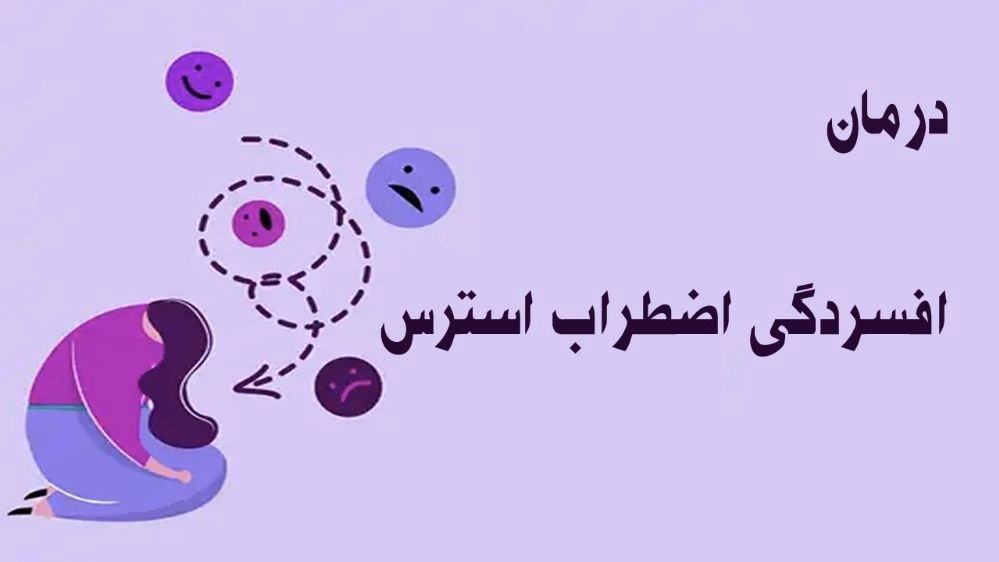
All of us have experienced mental and emotional pressures, fear, apprehension and worry in our lives.
What is stress?
In fact, stress and anxiety; It is your body's response to threats - both real and imagined. When something threatens you, whether life, financial or emotional; Chemical reactions occur naturally in your body. These reactions prepare you to deal with this anxiety and stress (fight or flight). At this time, your body tries to adapt to the conditions and inform you of possible dangers. The increase in heart rate, the increase in the number of breaths per minute, the increase in blood pressure and the contraction of your muscles are due to this preparation.
What is the difference between anxiety and stress?
There is a fairly subtle difference between these two responses of your body to threats. You get stressed when you are nearing the deadline for your project and you still haven't completed it, or when you are fighting with someone you love. This type of response of your body is short-term and after the removal of the source of stress, you will return to your normal state.
But there are times when you are involved in issues that bother you for a long time. For example, fear of poverty, losing a relationship with someone you love, discriminatory behaviors you face at work or at home, fear of a dangerous illness for yourself or your loved ones, etc.; These are anxiety conditions.
All these are long term. They may not go away even after the source of stress is resolved and rob you of the opportunity to enjoy life. Therefore, anxiety has more risks than stress.
What are the symptoms of stress and anxiety?
Anxiety and stress originate from your brain. Since your brain is the controller of other parts of your body, the symptoms we experience due to stress have many aspects. , these symptoms can be physical; psychological or behavioral.
Symptoms of anxiety and stress:
- خیلی ساده آشفته، ناامید و بد خلق می شویم.
- به اصطلاح برخی درهم شکسته می شویم چون کنترل اوضاع از دسمتان خارج شده است و می خواهیم دوباره اوضاع را کنترل کنیم.
- نمی توانیم به سادگی آرام شویم (relax)
- احساس بد نسبت به خودمان داریم، احساس تنهایی، بی ارزشی و افسردگی
- از اطرافیانمان دور می شویم
The physical symptoms of anxiety and stress are mostly:
- کم انرژی هستیم
- سردرد ( به مقاله سر درد تنشی مراجعه کنید.)
- ناراحتی گوارشی مثل اسهال، یبوست و حالت تهوع
- درد و تنش عضلانی
- درد قفسه سینه و ضربان قلب بالا
- بی خوابی
- ابتلای مکرر به سرماخوردگی و عفونت ها
- کاهش میل و توان جنسی
- عصبی بودن، لرزش در کل بدن؛ لرزش دست، وز وز گوش، دست ها یا پاهای سرد و عرق کرده
- خشکی دهان و سختی در بلع
- سفتی فک و دندانقروچه
Emotional and cognitive symptoms of anxiety and stress:
- نگرانی دائمی
- پرش افکار
- فراموشی و بی نظمی
- عدم توانایی تمرکز
- قضاوت کردن نادرست
- بد بین بودن یا همیشه نیمه ی خالی لیوان را نگاه کردن
Behavioral Symptoms of Stress and Anxiety:
- تغییر در رژیم غذایی چه پر خوری و چه کم خوری
- عقب انداختن کار ها و یا عدم مسئولیت پذیری
- مصرف زیاد الکل، مواد و یا سیگار
- نشان دادن رفتار های عصبی مثل جویدن ناخن، تکان دادن زیاد دست ها یا پاها و قدم زدن چندین باره یک مسیر
Tips to manage stress and depression
The techniques and tips mentioned for managing and controlling stress are also very useful for controlling and reducing depression. In fact, people can cure a significant part of depression by managing their stress. Some useful stress control techniques are:
- خواب کافی
- رژیم غذایی سالم
- ورزش منظم
- تفریح و مسافرت رفتن
- مصرف کمتر کافئین و نوشیدنیهای الکلی
- انجام و یادگیری تمرینات تنفسی برای کاهش ضربان قلب
The causes of many stresses that arise in people's lives are the type and lifestyle they have chosen. This lifestyle can be about a person's work, personal or emotional lifestyle. There are many things you can do to solve these issues; Including:
- خودتان را برای نوع عملکردتان در مدسه یا محیط کار، تحت فشار کمتری قرار دهید.
- در محل کار یا خانه، مسئولیتهای بیش اندازه را قبول نکنید.
- خودتان را از محیطها یا موقعیتهای استرسزا دور کنید.
- فعالیتهای ورزشی مانند یوگا و مدیتیشن کمک کننده هستند.
- برای افزایش آرامش به خدا پناه ببرید و ایمان داشته باشید.
Combining several of the mentioned methods can have an especially quick effect and help you more. The most important thing is to choose the method that suits you best. Having supportive friends and family who are willing to help you can also make a big difference. Of course, the best and safest way to deal with stress and depression is to see a good and experienced psychologist and consult with a therapist. Mental health specialists, with their high experience and knowledge, will help you get out of stress and depression as quickly as possible. So trust your psychologist and do the necessary exercises to get the best possible result.