
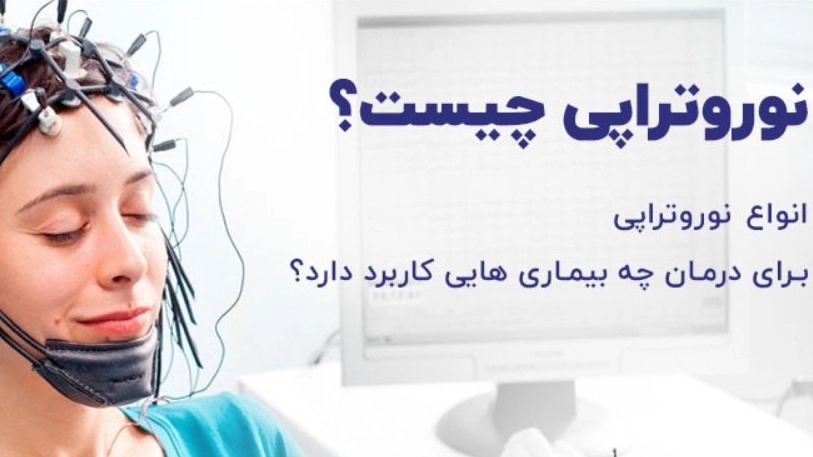
Neurotherapy is a technique that uses technology to help improve brain function. These drug-free neurotechnology procedures modify brain activity and are often non-invasive, painless and safe, provided they are performed by a neurotherapist in a clinical setting. Neurotherapy technology and methods are constantly developing and improving and have experimental aspects. Treatments and methods are also constantly changing
Neurotherapy helps people improve brain function by using technological devices. Drug-free neurotechnologies modify brain activity without the need for drugs. According to research, most neurotherapy techniques are non-invasive, painless and safe when performed by a neurotherapist in a clinical setting. It is evolving and still experimental. Treatments and methods are also constantly changing
neurotherapy is used to treat a wide range of conditions, including:
✅ treatment-resistant depression
how does neurotherapy work?
During neurofeedback training, brain activity is monitored in real time using technological tools such as electroencephalography (EEG-NF) or functional magnetic resonance imaging (fMRI-NF). It teaches you to automatically regulate your brainwave activity. It is also possible that with the passage of time, neurotherapy causes brain "remodeling".
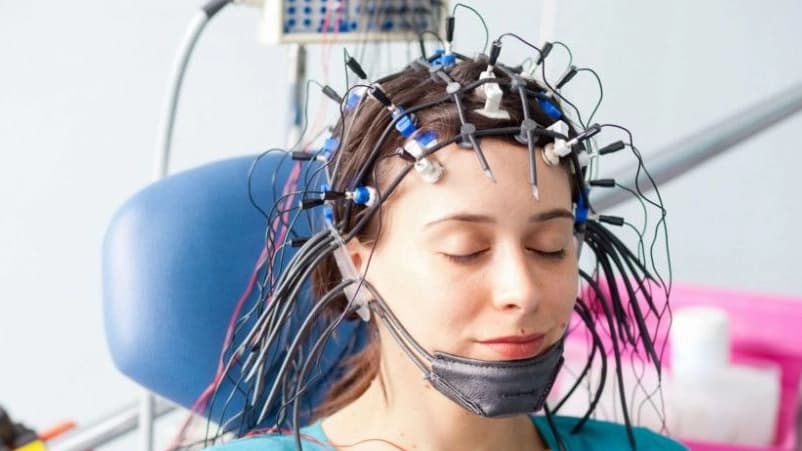
How is a Neurofeedback Meeting?
Unlike fMRI, in a typical neurofeedback session, you sit in a chair and electrodes are placed on your scalp. It's completely painless. This is similar to a doctor using a stethoscope to listen to your heartbeat. And just like your heart, your brain can develop arrhythmias.
Your therapist will guide you through some simple activities while the EEG records your brain's electrical impulses. Depending on your treatment plan, You may be asked to look at images on a screen, play a video game, or listen to music.
Electrodes provide real-time audio and video feedback about your brain activity. For example, if you are looking at images on a screen, the screen will become brighter when your brain is producing favorable brain wave patterns. When it is producing less favorable brain wave patterns, the screen will dim. Similarly, a noisy waiting room full of people standing is shown on the screen and you learn to perform a brain activity that reduces the noise and makes everyone sit and tidy up. Over time, your brain learns how to maintain desirable brainwave patterns (and minimize the generation of unwanted patterns).
A neurofeedback session usually lasts between 30 and 60 minutes and generally includes 30 to 40 sessions is The number of sessions needed by each person is different, but rarely does anyone need more than 40 sessions.
Is Neurotherapy a Cure Evidence?
Much research has been done on neurotherapy, and the results are encouraging, and neurotechnology is developing at lightning speed. Below are just a few studies supporting neurotherapy:
Attention-Deficit Hyperactivity Disorder (ADHD): Research has shown that neurotherapy induces a relaxed state of attention and an effect similar to Has ADHD medication. In fact, the American Academy of Pediatrics has identified neurotherapy as a “Top Level 1 Supportive” intervention for attention-deficit/hyperactivity disorder (ADHD) in the drug category.
Addiction: According to a comprehensive review published in 2016, neurofeedback may provide positive results for people addicted to cocaine, alcohol, and computer games. It may even reduce appetite.
Anxiety and depression: A study showed that after 30 sessions of neurotherapy and heart rate variability training, 57% of people with severe anxiety and 45% of people with severe depression showed normal brain activity.
Autism Spectrum Disorder (ASD): Several scientific reports suggest that neurotherapy can improve behaviors associated with ASD, such as repetitive movements (stimming), sudden anger, and ritualistic behaviors.
Migraines: In a 2010 study, 62% of participants reported significant or complete improvement in their migraines using neurotherapy.
Post-traumatic stress disorder (PTSD): A controlled study found that 24 sessions of neurotherapy significantly reduced PTSD symptoms. Other studies show that neurofeedback improves executive function and reduces drug use.